

Why PicoSure Pro Is a Commonly Used Option for Pigmentation Treatment in Singapore
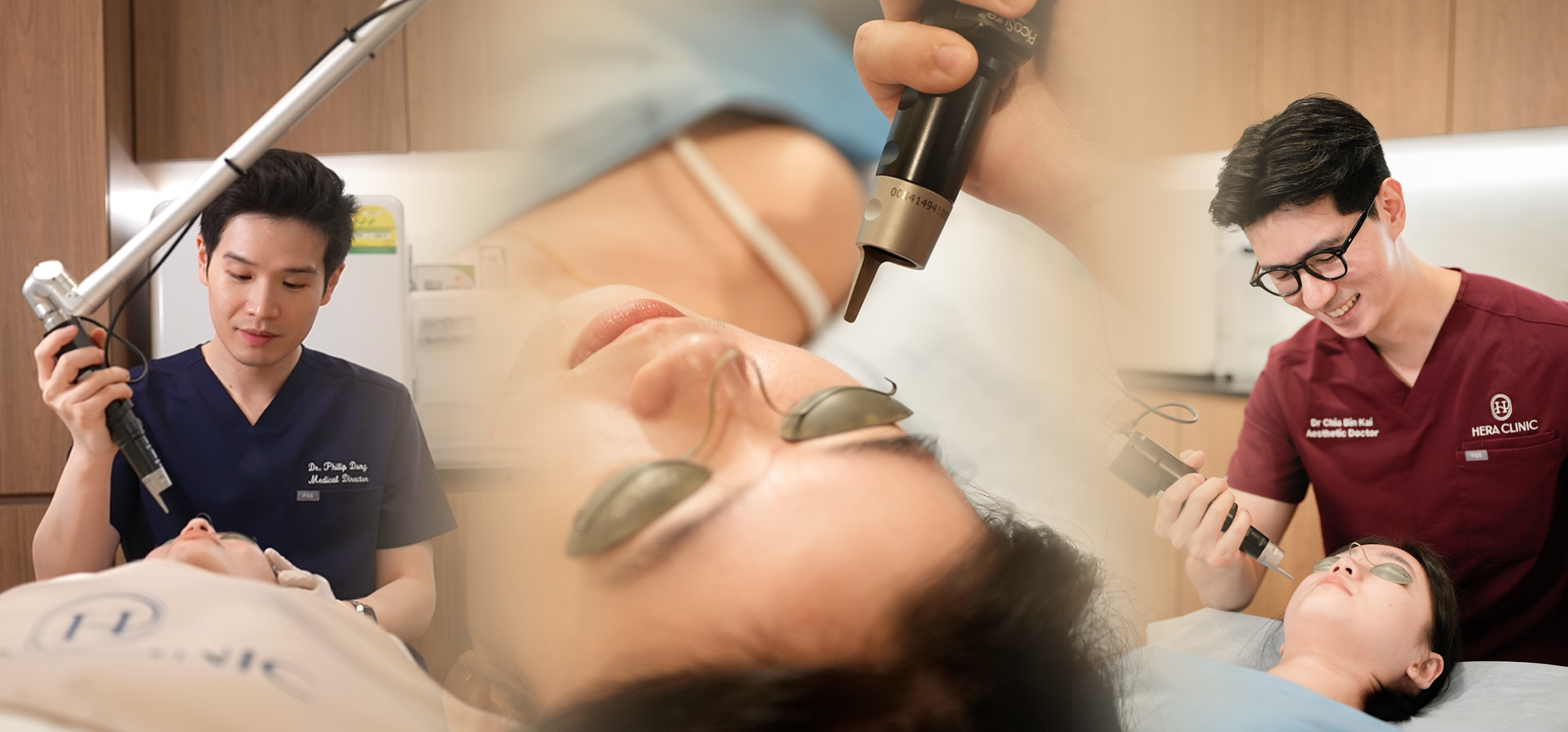
Pigmentation concerns are among the most frustrating skin issues to manage, especially in sunny climates like Singapore, where constant UV exposure can worsen dark spots and trigger recurring melasma. Many people spend months trying creams, serums, or facials with little improvement, only to see pigmentation return. This often happens because surface treatments fail to reach pigment located in deeper skin layers.
Pico laser treatment for pigmentation singapore is a technology-driven solution that offers a medical approach that targets pigment precisely at deeper levels of the skin without causing excessive heat damage. Among modern picosecond technologies, PicoSure Pro has established itself as a clinically trusted platform for managing stubborn pigmentation while simultaneously enhancing overall skin quality. PicoSure Pro is an FDA-cleared picosecond laser platform that operates at a 755 nm wavelength and is widely used for pigmentation management.
Read the full article to discover whether PicoSure Pro is the right treatment for you!
Table Of Contents
- Why Pigmentation Treatments Often Fail
- How Pico Laser Treatment Targets Pigmentation at Its Source
- What Makes PicoSure Pro Different from Other Pico Lasers?
- How PicoSure Pro Improves Skin Quality Beyond Pigment Removal
- What Results Can You Realistically Expect?
- Who Is PicoSure Pro Treatment Best Suited For in Singapore?
- Choosing the Right Pico Laser for Pigmentation
Why Pigmentation Treatments Often Fail
Topical Skincare Has Limitations
Many people invest heavily in skincare yet still struggle with persistent dark spots because topical products have physical limits. Brightening creams and serums mainly work on the outer skin layer (epidermis), where they can fade mild, surface-level pigmentation. However, deeper pigment deposits often sit in the dermis, beyond the reach of most over-the-counter products. While these products may improve overall radiance, they rarely eliminate entrenched pigmentation that forms below the surface.
Incorrect Laser Treatment
Older generations of laser treatments attempted to remove pigment primarily through heat. Although they could be effective, excessive thermal energy increased the risk of post-inflammatory hyperpigmentation (PIH), particularly in Asian skin tones. In some cases, inappropriate laser selection or inexperienced application further raised the chance of rebound darkening. Not all lasers function the same way — each system uses specific wavelengths and pulse characteristics designed to target different types and depths of pigmentation. Choosing the wrong technology can lead to suboptimal results or prolonged recovery.
Modern pico laser technology changed this landscape by prioritising precision over heat. Instead of relying on sustained thermal damage, pico lasers deliver ultra-short bursts of energy that create a photoacoustic effect, shattering pigment into microscopic particles that the body can naturally clear. This approach reduces unnecessary heat exposure to surrounding tissue while improving treatment accuracy. Successful pigmentation not only depends on the laser treatment chosen but also on careful assessment by an experienced doctor. At Hera Clinic, Dr Phillip Dong evaluates each patient’s skin condition and selects the most appropriate laser strategy, ensuring pigment is disrupted selectively without overheating healthy skin.
How Pico Laser Treatment Targets Pigmentation at Its Source
Pico laser treatment works by breaking down unwanted pigment with extremely fast bursts of energy that act more like tiny shockwaves than heat. Imagine large pigment clusters in the skin as rocks sitting beneath the surface. Pico laser delivers ultra-short pulses measured in picoseconds (one trillionth of a second), which shatter these pigment “rocks” into microscopic fragments. Once broken down, your body’s natural immune system gradually clears the particles away. Because the energy is delivered so quickly, it concentrates on the pigment itself while minimising stress on surrounding skin.
A key difference between pico lasers and older laser systems lies in how they deliver energy. Traditional lasers rely mainly on heat to burn or fade pigment, which can unintentionally warm nearby tissue and increase the risk of irritation or rebound darkening. Pico technology, in contrast, uses pressure-based photoacoustic energy. This mechanical effect targets pigment with precision while producing significantly less heat. The result is a more controlled treatment that focuses on pigment removal rather than thermal injury, helping to improve safety and recovery.
Commonly Targeted Skin Conditions
Pico laser is commonly used in Singapore to treat several types of pigmentation:
Melasma
A chronic, hormonally influenced pigmentation that appears as patchy brown or grey areas, often on the cheeks and forehead. Pico laser gently fragments stubborn pigment, supporting gradual lightening when combined with proper maintenance.
Sunspots
Also known as age spots, these develop from long-term UV exposure. Pico pulses break down concentrated pigment deposits, allowing clearer and more even skin tone to emerge.
Post-inflammatory hyperpigmentation (PIH)
Dark marks that remain after acne or skin inflammation. Pico laser selectively targets excess pigment while minimising irritation to healing skin.
Why it’s Safer for Asian Skin Tones
One reason the pico laser is widely preferred for Asian skin tones is its ability to limit unnecessary heat exposure. Skin with higher melanin content is more prone to post-treatment hyperpigmentation if excessive thermal damage occurs. By using ultra-fast, pressure-dominant energy, the pico laser reduces this risk while still effectively targeting pigment. When performed by experienced practitioners at clinics such as Hera Clinic, treatments can be carefully adjusted to match individual skin types, improving both safety and treatment outcomes.
What Makes PicoSure Pro Different from Other Pico Lasers?
PicoSure Pro is an FDA-approved picosecond laser treatment designed to treat challenging pigment conditions such as melasma, Hori’s macules, and nevus of Ota. Its ultra-short picosecond pulses deliver energy so rapidly that pigment is fragmented through a strong photoacoustic effect while minimising thermal injury to surrounding skin. This precise mechanism allows effective targeting of both epidermal and dermal pigmentation with a lower risk of heat-related complications.
Beyond its regulatory clearance for specific pigmentary disorders, PicoSure Pro’s 755 nm wavelength is particularly suited for addressing stubborn pigmentation in Asian skin types. It can effectively target both epidermal and dermal pigment while minimising thermal injury to surrounding tissue. The platform is also equipped with multiple handpieces and adjustable fluence settings, enabling customised treatment based on pigment depth and skin condition. This treatment also stands out because of several key technological advantages:
- Ultra-short pulse duration
PicoSure Pro delivers energy in extremely short picosecond bursts. These rapid pulses concentrate energy into pigment particles before heat can spread to nearby tissue. By acting faster than the skin can thermally respond, the laser breaks pigment into fine fragments more efficiently. This allows for effective pigment clearance while reducing unnecessary irritation. - PressureWave™ technology
PicoSure Pro uses proprietary PressureWave™ technology, which converts laser energy into powerful photoacoustic waves. Instead of relying mainly on heat, these pressure waves create a mechanical impact that shatters pigment at a microscopic level. This mechanism enhances precision and supports the body’s natural clearing process, allowing pigmentation to fade in a gradual and controlled way. - Minimal heat damage
Because PicoSure Pro prioritises pressure over thermal energy, it generates significantly less residual heat compared to many traditional lasers. Lower heat exposure is particularly important for Asian skin tones, which can be more prone to post-inflammatory hyperpigmentation. By reducing thermal stress, PicoSure Pro helps improve safety while maintaining treatment effectiveness.
Skin Pigmentation Treatments
At Hera Clinic, the team focuses on using reliable, medical-grade devices that are designed to address complex skin concerns safely and effectively. The most common skin problem is hyperpigmentation. PicoSure Pro is a commonly used option for this condition because it targets unwanted pigment precisely without generating too much heat. This helps reduce the chance of pigmentation coming back darker and usually allows for a smoother, quicker recovery.
Importantly, PicoSure Pro is valued not only for pigment correction but also for its rejuvenating effects on overall skin quality. Its pressure-based energy stimulates collagen remodelling beneath the skin, encouraging gradual improvements in texture, tone, and firmness. As pigmentation fades, many patients also observe brighter skin, smoother surface texture, and refined pores. This dual benefit makes PicoSure Pro a versatile tool for comprehensive skin revitalisation rather than a single-purpose pigment laser.
How PicoSure Pro Improves Skin Quality Beyond Pigment Removal
While many people associate laser treatments solely with pigment correction, PicoSure Pro, with its 755 nm wavelength, is also widely used for comprehensive skin rejuvenation beyond pigmentation concerns. Beyond breaking down unwanted pigment, its ultra-short pulses deliver controlled photoacoustic energy into the skin, triggering a natural healing response that stimulates new collagen formation. Collagen acts as the structural framework of the skin. As fresh collagen develops, it gradually strengthens and supports the skin from within, leading to improvements in texture, tone, and firmness.
This treatment is suitable for patients who want visible improvement with little disruption to their daily routine. Most patients experience minimal downtime and are able to resume normal activities shortly after each session, although individual responses may vary. This makes it a practical option for busy individuals seeking gradual, natural-looking rejuvenation without a prolonged recovery period. Beyond pigmentation reduction, patients often notice several additional improvements:
- Brighter complexion
As fragmented pigment clears and collagen renewal improves light reflection on the skin, the overall complexion appears clearer and more luminous. Many patients describe their skin as looking fresher and more evenly toned. - Smoother skin texture
Collagen remodelling helps soften rough areas and fine irregularities. Over a series of sessions, the skin surface can feel more refined and supple, contributing to a healthier appearance. - Refined pores
Strengthening the skin’s supportive structure can make enlarged pores appear less prominent. This subtle tightening effect contributes to a more polished skin finish.
What Results Can You Realistically Expect?
Pico laser treatment is designed to produce progressive, controlled improvement rather than instant dramatic clearing. Pigmentation develops over time and often sits at multiple skin depths, which means safe removal requires a staged medical approach. After each session, pigment particles are fragmented and cleared naturally by the body’s immune system. This biological process takes time, so dark spots fade progressively over several weeks. Some patients notice early brightening after the first session, but optimal results build gradually with repeated treatments.
At Hera Clinic, patients follow a carefully planned treatment programme designed to deliver effective results while maintaining a high standard of safety. Dr Phillip Dong focuses on gradual, medically guided improvement instead of unrealistic quick fixes, helping patients achieve healthier skin with long-term, natural-looking outcomes. Many pigmentation conditions may require multiple sessions, often spaced several weeks apart. The exact number varies depending on individual skin response and clinical assessment.
Consistency with PicoSure Pro treatment is especially important for melasma, because melasma is a long-term skin condition that can easily return with sun exposure or hormonal changes. Pico laser sessions help fade visible pigment, but keeping the results requires maintenance treatments and daily sun protection. The safest approach focuses on gradual improvement rather than rushing for quick results that may irritate the skin. When patients treat pico laser therapy as an ongoing process, working closely with their doctor, and maintaining good skincare habits, the results are usually more stable and longer lasting
Who Is PicoSure Pro Treatment Best Suited For in Singapore?
PicoSure Pro laser treatment is not designed as a one-size-fits-all solution. It is generally recommended for individuals whose skin concerns align with picosecond technology and who have undergone a thorough medical assessment. In Singapore’s humid, high-UV environment, many patients seek treatments that are effective yet gentle enough for Asian skin. When performed by an experienced doctor at Hera Clinic, PicoSure Pro can be a suitable option for treating various types of pigmentation, as long as the treatment plan is carefully tailored to the patient’s skin condition.
Suitable Candidates for PicoSure Pro
- People with persistent pigmentation
Individuals who struggle with melasma, sunspots, or post-inflammatory hyperpigmentation that has not responded well to creams or facials often benefit from pico laser treatment. The technology is designed to break down deeper pigment particles that topical products cannot reach, making it useful for stubborn or recurring spots. - Those with uneven skin tone or dull complexion
Patients who want clearer, more even skin may see improvement not only in pigmentation but also in overall skin brightness. Pico laser treatments can help refine patchy tone and improve skin clarity while supporting collagen renewal. - Busy professionals seeking minimal downtime
Many working adults prefer treatments that fit into tight schedules. PicoSure Pro sessions are typically quick, and most patients can return to normal activities shortly after treatment, although individual responses may vary. Mild redness may occur, but it usually settles within hours, making it practical for people with demanding routines.
Not Ideal Candidates for PicoSure Pro
- Individuals with active skin infections or open wounds
Treatment should be postponed until the skin has healed to reduce the risk of complications. - Patients with certain medical conditions or photosensitive disorders
Some medications or health conditions can affect how the skin responds to laser energy. A medical review is necessary to ensure safety. - Those expecting instant or dramatic single-session results
Pigmentation treatment is gradual. Patients looking for an overnight transformation may need counselling about realistic timelines.
The Importance of Doctor-Guided Assessment
A proper consultation is essential before starting treatment. Dr Phillip Dong at Hera Clinic evaluates skin type, pigmentation depth, medical history, and lifestyle factors before selecting laser settings. When guided by professional assessment and realistic expectations, pico laser treatment can be a highly effective option for patients in Singapore who want targeted pigmentation care with minimal disruption to daily life. Customised parameters reduce the risk of irritation and post-inflammatory hyperpigmentation, particularly in Asian skin tones. Personalised planning also ensures that each session builds safely toward long-term improvement rather than short-term cosmetic change.
Choosing the Right Pico Laser for Pigmentation
PicoSure Pro is widely chosen for pigmentation treatment because its 755 nm wavelength effectively targets both superficial and deeper pigment while minimising thermal damage. It allows for treating hyperpigmentation and supporting overall skin rejuvenation safely and efficiently. The technology targets pigment precisely at deeper skin levels with minimal heat damage, helping to improve clarity and promote a healthier-looking complexion.
Effective pigmentation treatment depends on more than just the device — it requires a well-planned strategy, consistent sessions, and close collaboration with a qualified medical doctor. When combined with a careful assessment and a customised treatment plan from an experienced aesthetic doctor, pico laser therapy can deliver long-lasting, natural-looking improvements for Asian skin.
At Hera Clinic, Dr Phillip Dong provides personalised consultations to design treatment plans tailored to each patient’s skin condition and goals. Schedule a consultation with a medical aesthetic clinic in Singapore to discuss whether PicoSure Pro is suitable for your skin condition.
 Previous