

Acne
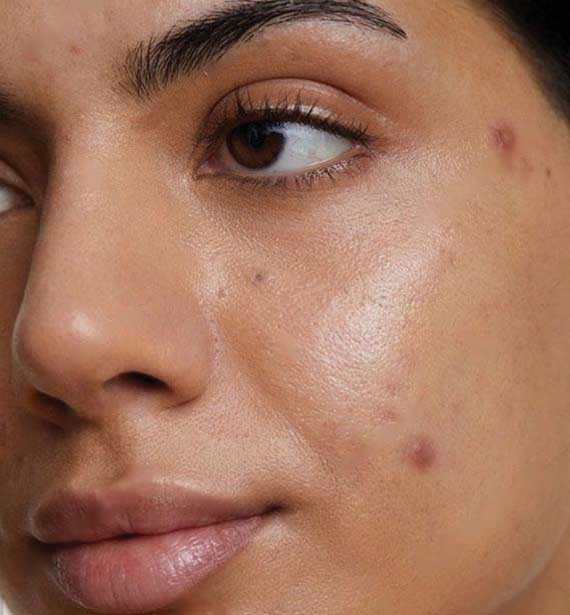
Acne is a widespread skin condition caused by clogged pores, oil production, and bacteria, affecting many people’s confidence and skin health. Understanding the types, causes, and treatments can help manage and prevent it.

Types of Acne
Comedonal Acne
- Appearance: Blackheads and whiteheads.
- Cause: Clogged pores due to oil and dead skin buildup.
Inflammatory Acne
- Appearance: Red, inflamed pimples, and pustules.
- Cause: Inflammation from bacteria in the pores.
Cystic Acne
- Appearance: Large, painful cysts or nodules under the skin.
- Cause: Deep inflammation and infection, often requires intensive treatment.
Common Causes
- Hormones: Increased oil production during puberty, menstruation, or due to hormonal imbalances.
- Genetics: A family history of acne can make breakouts more likely.
- Diet and Lifestyle: High-sugar diets and stress are known to contribute to acne.
- Products and Skin Care: Using comedogenic or irritating skin products can worsen acne.

Acne Treatments
Our clinic offers several effective acne treatments that vary based on severity:
Topical Creams & Washes
- How it Works: Retinoids, benzoyl peroxide, and salicylic acid reduce oil and bacteria on the skin, keeping pores clear.
- Ideal For: Mild to moderate acne.
Pico Laser Therapy
- How it Works: Targets acne scars and pigmentation with laser bursts to improve skin tone and texture.
- Ideal For: Post-acne scarring and post-inflammatory hyperpigmentation (PIH).
Microneedling with Radiofrequency (RF)
- How it Works: Stimulates collagen to improve scarred, uneven skin.
- Ideal For: Acne scars and skin texture improvement.
Antibiotics
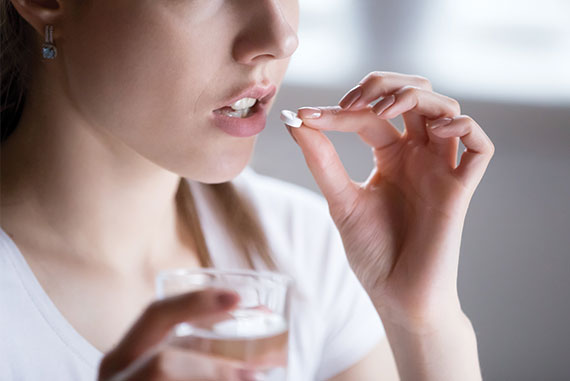
- How it Works: Reduces bacteria and inflammation. Can be topical or oral, depending on the case. Long-term use is not recommended due to antibiotic resistance.
- Ideal For: Moderate to severe inflammatory acne.

Hormonal Therapy
- How it Works: Regulates hormone levels that increase oil production, using oral contraceptives or medications like spironolactone.
- Best For: Acne that is hormone-driven, particularly in women with flare-ups linked to menstrual cycles.
Dietary Adjustments
- How it Works: Lowering sugar and processed food intake can improve skin health.
- Ideal For: Reducing breakouts and improving overall skin condition.
Roaccutane (Isotretinoin)
- How it Works: Reduces oil production and controls severe acne. Requires careful monitoring due to potential side effects.
- Ideal For: Persistent, severe acne that doesn’t respond to other treatments.