


Acne Scars
Acne scars are a common concern following severe or prolonged acne. When acne damages the skin deeply, it can leave behind scars that affect skin texture and appearance. Fortunately, a variety of treatments can significantly improve the appearance of acne scars.
Types of Acne Scars
- Atrophic Scars: Depressed scars that sit below the surrounding skin. Common types include ice-pick scars, boxcar scars, and rolling scars.
- Hypertrophic and Keloid Scars: Raised, thickened scars usually found on the chest, back, or shoulders. These scars result from excessive collagen during healing.
- Post-Inflammatory Pigmentation: Discoloration rather than a true scar; it appears as dark spots and typically fades over time.

Causes of Acne Scarring
- Inflammation: Severe inflammation can damage surrounding tissue, leading to scarring.
- Delayed Treatment: Untreated or inadequately managed acne may result in deeper scarring.
- Genetics: Some individuals are genetically more prone to scarring.
- Picking or Squeezing Acne: Manipulating acne lesions can worsen scarring by further injuring the skin.
Treatment Options for Acne Scars
Our clinic provides several effective treatments tailored to different types of scars and skin conditions:

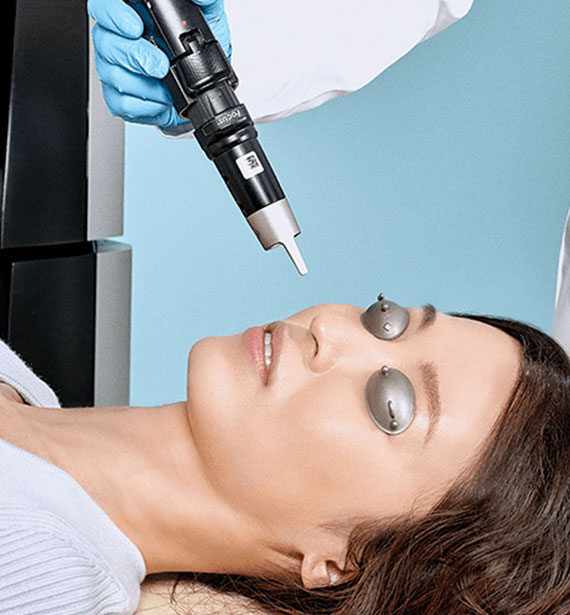
Pico Laser Therapy
- How It Works: Pico laser emits ultra-short laser bursts that break down scar tissue and stimulate collagen for skin rejuvenation.
- Ideal For: Treating pigmentation and atrophic scars, particularly effective in improving skin texture and tone.
Microneedling with Radiofrequency (RF)
- How It Works: This treatment combines microneedling with RF energy to penetrate deep into the skin, triggering collagen production to repair scar tissue.
- Ideal For: Targeting atrophic scars and improving overall skin texture, providing noticeable results over multiple sessions.
Skinbooster Injections
- How It Works: Specialized injectables containing polynucleotides are introduced into scarred areas, promoting tissue regeneration and improving skin hydration.
- Ideal For: Softening the appearance of indented or atrophic scars, adding volume, and restoring a smoother skin surface.

Preventing Acne Scars
Preventing scars starts with proactive acne treatment. Here are some key strategies:
- Early Treatment: Addressing acne early reduces the risk of scarring.
- Avoid Picking: Refrain from squeezing or picking at acne, which can exacerbate scarring.
- Use Suitable Products: Follow a skincare routine suited to your skin type to minimize acne risk and post-acne marks.
For personalized advice, we recommend scheduling a consultation. Together, we’ll develop a treatment plan to address your unique skin needs and enhance your skin’s natural beauty.