


Pigmentations
Skin pigmentation issues occur when melanin, the pigment responsible for skin color, becomes unevenly distributed due to factors such as genetics, sun exposure, and inflammation. Here’s an overview of common pigmentation types and the effective treatments we offer.
Common Types of Skin Pigmentation
- Freckles: Small, flat brown spots typically appearing on sun-exposed areas like the face and shoulders.
Genetics and sun exposure - Melasma: Brown or grayish patches, often on the cheeks, forehead, and upper lip.
Hormonal changes, sun exposure - Sun Spots / Age Spots: Flat, brown spots that develop with age on sun-exposed areas like the face and hands.
UV exposure and aging - Hori’s Naevi: Blue-gray patches found symmetrically on both sides of the face, more common in Asian skin types.
Genetics and age - Post-Inflammatory Hyperpigmentation (PIH): Dark spots that form after skin trauma, acne, or inflammation.
Inflammation, skin injury - Café au Lait Spots: Light to dark brown spots that can appear anywhere on the body, often present from birth.
Genetic factors

Treatment Options for Pigmentation
Our clinic offers a range of effective treatments designed to address pigmentation issues, tailored to specific skin types and pigmentation concerns:
Laser Therapy (e.g., Pico Laser)
- How It Works: Pico laser technology delivers ultra-short bursts of energy to break down pigment particles, allowing the body to clear them gradually. Effective for both superficial and deeper pigmentation with minimal skin damage.
- Ideal For: Freckles, sun spots, melasma, and Hori’s naevi.
Microneedling with Radiofrequency (RF)
- How It Works: Tiny needles combined with RF energy stimulate collagen and repair skin tissue, which can help to fade pigmentation gradually.
- Ideal For: PIH and melasma.
Topical Treatments (e.g., Hydroquinone, Retinoids, and HSA)
- How It Works: Topical agents like hydroquinone, retinoids, and heparan sulfate analogs (HSA) work to inhibit melanin production and hydrate the skin, reducing dark spots and improving skin tone over time.
- Ideal For: Melasma, freckles, and PIH.
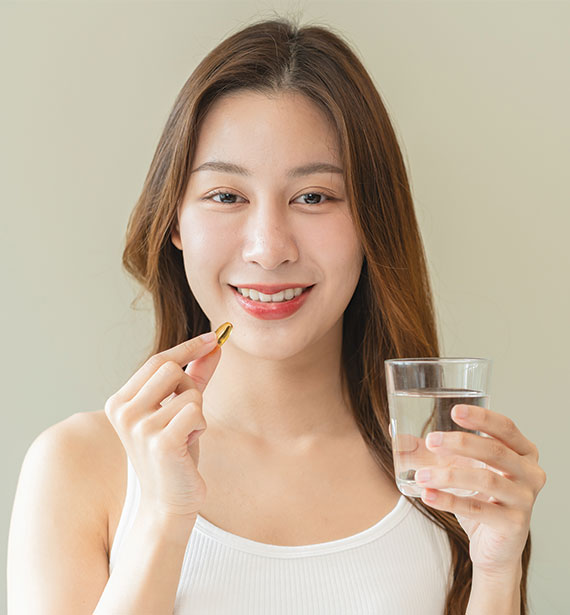
Oral Supplements (e.g., Glutathione)
- How It Works: Oral antioxidants such as glutathione may help reduce oxidative stress and melanin production, supporting skin brightness and even tone from within.
- Ideal For: Overall skin brightening and for patients seeking additional support alongside other treatments for pigmentation.
Preventing Pigmentation
Preventative skincare habits can help maintain an even skin tone and reduce the chances of new pigmentation issues:
Laser Therapy (e.g., Pico Laser)
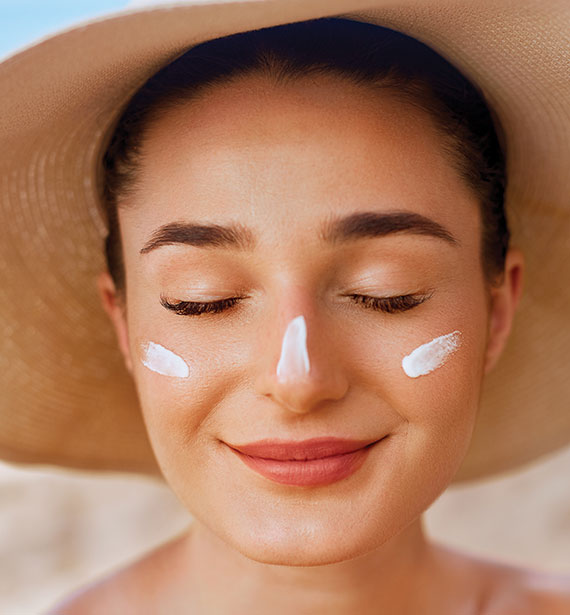
- Sun Protection: Daily use of broad-spectrum sunscreen is essential to prevent UV-induced pigmentation.
- Avoid Picking or Scratching: Reducing irritation to the skin can help prevent PIH from worsening.
- Gentle Skincare Routine: Use skin-friendly products that support barrier health without causing additional irritation.
Our clinic offers personalized treatment plans to address pigmentation concerns and restore a balanced, even skin tone. To learn more about our treatments or to schedule a consultation, reach out to our team.